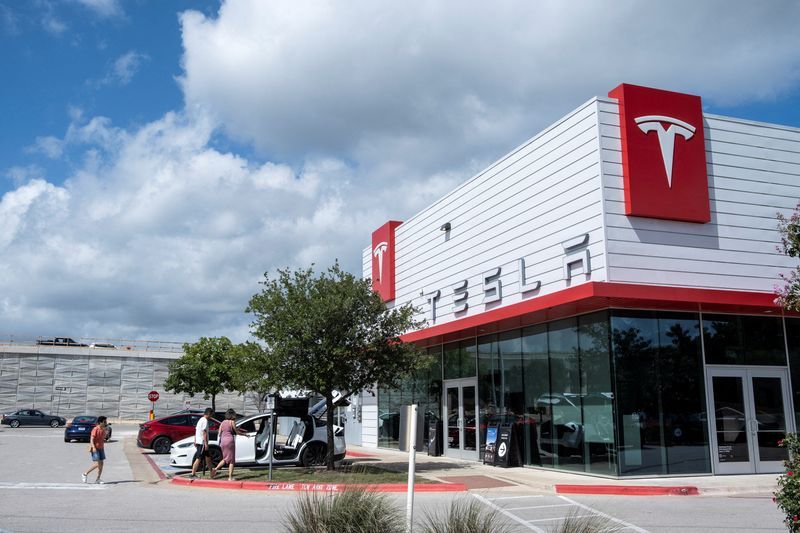
The National Transportation Safety Board announced this week that it will conduct a full investigation into a high-speed collision involving a Tesla Model 3 in Katy, Texas, which resulted in the death of a 76-year-old homeowner. The incident occurred on June 19 when the vehicle struck the front wall of a residential home at considerable speed, trapping the occupant inside. The victim died later at a nearby hospital, marking another serious incident involving an electric vehicle and its autonomous or semi-autonomous driving systems. The involvement of federal safety investigators underscores the growing scrutiny facing Tesla's driver assistance technologies and their role in accidents across the United States.
In a parallel legal development, the victim's family has initiated civil action against Tesla and the vehicle's driver. Jennifer Barbour and her husband Justin, whose mother Martha Avila was killed in the crash, filed a lawsuit in Harris County state court seeking damages exceeding $1 million, along with punitive compensation. The complaint alleges that Tesla bears responsibility for wrongful death through gross negligence and inadequate warnings regarding defects in the company's Autopilot and Full Self-Driving systems. The lawsuit reflects a growing pattern of litigation against the automaker as families affected by crashes involving the company's driver assistance features seek accountability and compensation for their losses.
According to statements provided to law enforcement, the vehicle's driver, Michael Butler, had activated the Autopilot function immediately before the collision. The Harris County Sheriff's Department confirmed in an official statement that the driver indicated he was operating a driver assistance system at the moment of impact. However, the circumstances surrounding the activation of this system and whether it functioned as intended remain central questions for investigators. Tesla and Elon Musk have not yet publicly responded to the lawsuit or provided detailed statements about the incident, leaving significant gaps in the public understanding of what transpired in the crucial seconds before the crash.
Tesla's leadership has offered competing explanations for the incident. Musk stated on the social media platform X that "FSD drives slowly through neighborhood streets and this was a high speed crash," suggesting that the vehicle's Full Self-Driving system would not have accelerated to such dangerous speeds in a residential area. Ashok Elluswamy, Tesla's vice president of AI software, elaborated further by contending that the driver had manually overridden the autonomous system by pressing the accelerator pedal to its maximum extent. These statements imply that human error, rather than system malfunction, caused the collision, positioning the driver as primarily responsible rather than the vehicle's technology. The divergence between Tesla's public messaging and the serious nature of the incident has intensified calls for transparent investigation and accountability.
This incident is far from isolated within Tesla's recent history. The National Highway Traffic Safety Administration has initiated nearly 50 separate investigations into Tesla crashes since 2016 where the company's advanced driver assistance systems were believed to be engaged. Collectively, these investigations have documented approximately two dozen fatalities, establishing a troubling pattern that extends well beyond this single Katy incident. The sheer volume of serious accidents involving Tesla's autonomous driving features has prompted regulatory bodies to intensify their oversight of the company's technology development and implementation practices.
Regulatingly concern about Tesla's Full Self-Driving capabilities has reached critical levels. In March of this year, the NHTSA significantly expanded its inquiry into 3.2 million Tesla vehicles equipped with the Full Self-Driving software, citing worries that the system may not adequately detect hazards or alert drivers when visibility is compromised by weather conditions or darkness. This expanded investigation demonstrates that regulators are moving beyond individual incidents to examine systemic potential for failure across the entire fleet of vehicles using this technology. For Malaysian automotive safety advocates and potential Tesla owners in the region, this escalating federal scrutiny serves as important context when evaluating the safety track record of electric vehicles from this manufacturer.
Tesla's previous recall efforts have also failed to fully address safety concerns. In 2023, the company issued a recall affecting approximately 2 million vehicles, essentially covering nearly its entire fleet operating on American roads at that time. This recall focused on improving mechanisms to ensure driver attentiveness while Autopilot was engaged, suggesting that Tesla's own engineers recognized that drivers were not maintaining sufficient vigilance over vehicles operating under autonomous or semi-autonomous control. The fact that such a massive recall proved necessary indicates deeper systemic issues with how the company implements and manages its driver assistance technologies.
According to Tesla's own official descriptions of its systems, Autopilot permits vehicles to independently steer, accelerate, and brake while remaining in their designated lanes, while the more advanced Full Self-Driving mode extends these capabilities to include obeying traffic signals and executing lane changes. Both systems, the company has stated, require drivers to remain fully attentive with hands positioned on the steering wheel at all times. This critical distinction between Tesla's marketing of its systems as substantially autonomous versus the legal and regulatory definition of human driver responsibility creates ambiguity that appears to contribute to driver misunderstanding and misuse of these features.
The Katy crash and its aftermath highlight a fundamental tension in the electric vehicle industry as it rapidly develops autonomous driving technologies. Manufacturers must balance innovation and commercial advancement against rigorous safety validation and transparent communication with consumers about system limitations. For the Southeast Asian market, where vehicle adoption continues to expand and safety regulations are evolving, the American experience with Tesla's autonomous systems offers cautionary lessons about the importance of establishing robust oversight frameworks before technologies become widespread. The regulatory response in the United States—through both the NTSB and NHTSA investigations—demonstrates how critical it is for authorities to intervene decisively when public safety concerns emerge.
The litigation initiated by the Barbour family may prove particularly significant, as civil lawsuits often expose evidence and internal communications that regulatory investigations cannot access. Texas courts may compel Tesla to produce documents, emails, and engineering reports regarding the development, testing, and known issues with both Autopilot and Full Self-Driving systems. The outcome of this case could influence how other affected families pursue legal remedies and may establish important precedents regarding manufacturer liability for deaths involving semi-autonomous vehicles. For Southeast Asian legal and regulatory frameworks that are still developing appropriate oversight of emerging automotive technologies, the Texas case provides a real-world example of how courts address questions of liability, foreseeability, and corporate responsibility.
As investigations proceed on multiple fronts, Michael Butler, the driver of the vehicle, remains a defendant in the civil case, though his legal representation status remains unclear and efforts to contact him have not yet been successful. The full details of his experience, training with the vehicle's systems, and understanding of their capabilities remain to be revealed through the investigation and legal discovery processes. These elements will likely prove crucial to understanding how the crash occurred and whether driver error, system failure, or some combination of both contributed to the tragic death of Martha Avila. The intersection of human and machine responsibility in autonomous vehicle crashes represents a defining issue for vehicle safety in the coming decades, with each incident adding to the body of evidence that will ultimately shape how these technologies are regulated and deployed globally.