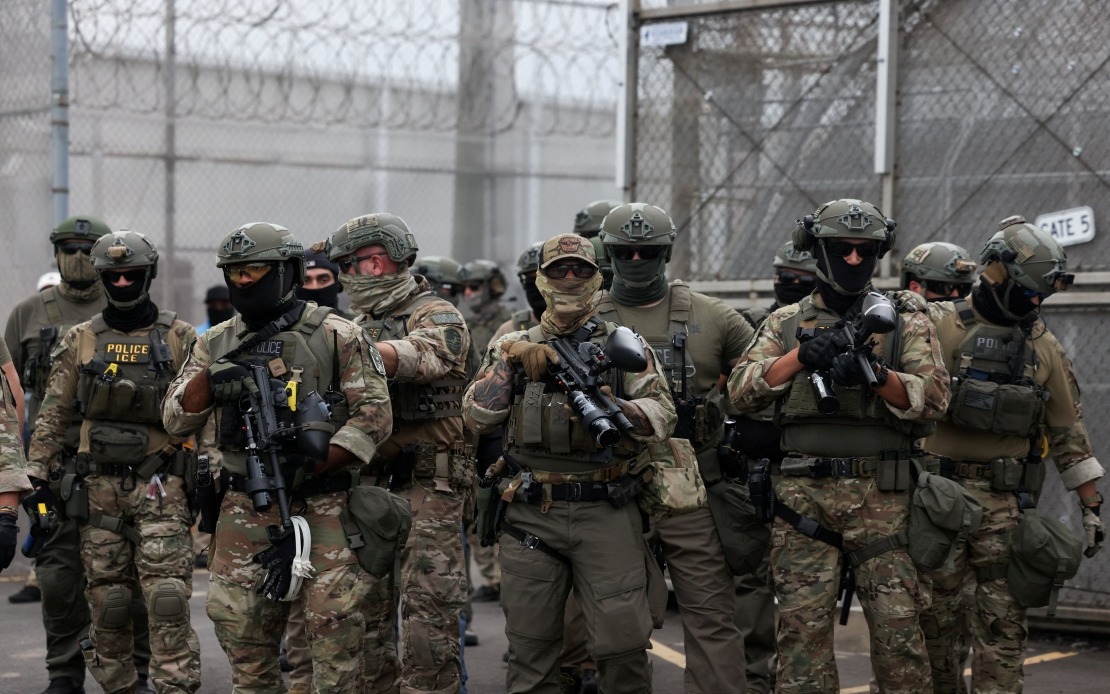
A federal judge in California has issued a nationwide ruling that prevents United States Immigration and Customs Enforcement (ICE) officers from making arrests inside immigration courthouses or in their immediate vicinity. The decision marks a significant legal setback for the Trump administration's enforcement priorities, which had expanded courthouse arrest operations as part of a broader deportation initiative that commenced at the outset of his second presidential term.
Immigration courts across America serve as the primary venue where deportation cases are adjudicated and where migrants facing removal proceedings present their legal defences. By targeting these locations, ICE officers had been conducting arrests both during and outside scheduled court sessions, sometimes apprehending individuals before their hearings concluded. This practice drew fierce criticism from civil rights advocates, immigrant legal services organisations, and judicial officials who contended that it fundamentally compromised the integrity of proceedings and created a climate of intimidation that discouraged migrants from appearing for their cases.
The Trump administration had justified the courthouse arrest strategy through revised enforcement guidelines introduced when the second term began, emphasizing how such operations could enhance immigration enforcement effectiveness. However, the federal judge found these justifications legally insufficient. In the ruling, the court determined that ICE had failed to conduct adequate analysis of the policy's potential negative consequences, particularly regarding due process rights and courtroom access. The agency's explanation for departing from its previous restraint regarding courthouse arrests lacked the reasoned decision-making framework required by administrative law principles.
This judicial decision carries substantial implications for how federal immigration enforcement operates in practice. Courthouse arrests had become increasingly common under the Trump administration's escalated immigration agenda, creating perverse incentives that discouraged migrants from pursuing legitimate legal remedies within the immigration system. When people fear arrest upon entering a courthouse, they often forgo hearings that might result in asylum approval, relief from removal, or other lawful pathways to remain in the United States. The practical effect undermines the functioning of immigration courts themselves, which depend on respondents' participation to resolve cases fairly and efficiently.
For Southeast Asian migrants and those from other regions who navigate American immigration proceedings, this ruling provides meaningful protection. Many arrive in the United States seeking asylum or pursuing family reunification pathways, and they require assurance that they can access courtrooms without encountering enforcement personnel intent on immediate detention and deportation. The uncertainty created by courthouse arrests had particular resonance in diaspora communities, where information about enforcement strategies spreads rapidly through social networks and influences subsequent migration or legal filing decisions.
The judge's reasoning reflected broader constitutional principles about access to courts and due process. Immigration proceedings, despite their civil rather than criminal nature, implicate fundamental rights and liberties. The Supreme Court and lower federal courts have long recognised that people have a constitutional interest in accessing courts without facing arrest for alleged violations of other laws during the litigation process. The California judge applied these principles to determine that ICE's new approach violated established norms governing courthouse conduct by both law enforcement and judicial institutions.
The decision also highlights institutional tension between the executive branch's enforcement priorities and judicial safeguards designed to ensure fair adjudication. The Trump administration approached immigration enforcement with unprecedented aggressiveness, viewing restraint at courthouses as an inefficient restriction on agency authority. Yet federal judges, including those on district courts where migration cases originate, viewed courthouse arrests as incompatible with their responsibility to administer impartial proceedings. This friction reflects deeper disagreements about how to balance immigration enforcement objectives against procedural fairness principles embedded in American law.
Immigration advocates had documented how the courthouse arrest practice disproportionately harmed vulnerable populations, including individuals with valid legal claims to remain in America. Parents separated from children, individuals fleeing persecution, and those with established ties to American communities all faced heightened risk when attending their removal hearings. Some migrants made desperate choices to abandon their cases rather than risk apprehension at the courthouse, effectively deporting themselves without judicial review. These human costs formed part of the judge's reasoning about why the policy deserved searching legal scrutiny.
The ruling's nationwide scope means that ICE officers cannot circumvent it by continuing arrests in particular judicial districts or circuit court regions. However, the Trump administration may seek to appeal the decision to higher courts, potentially reaching the Supreme Court eventually. This legal battle will likely extend throughout the remainder of Trump's presidency and could shape how future administrations approach immigration enforcement in courtroom contexts. The case demonstrates how judicial review remains a meaningful constraint on executive power, even when enforcement agencies pursue policies endorsed by the sitting president.
For Malaysian and other Southeast Asian policymakers observing American immigration developments, this ruling underscores how independent courts function as checks on executive authority, particularly regarding matters affecting vulnerable populations. While immigration enforcement remains within government purview, the American system maintains judicial capacity to invalidate policies that procedurally fail to justify their impacts or that contravene established legal principles. Understanding these dynamics illuminates broader questions about rule of law, separation of powers, and the protection of fundamental rights that resonate across democracies grappling with migration pressures and border control imperatives.