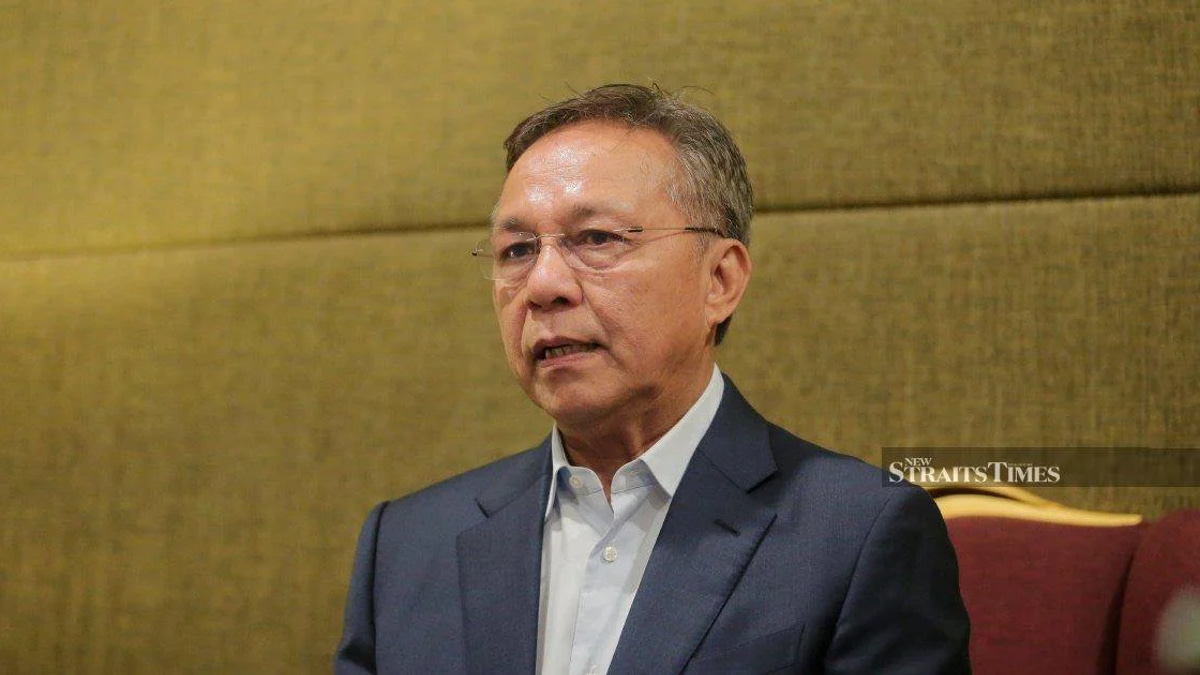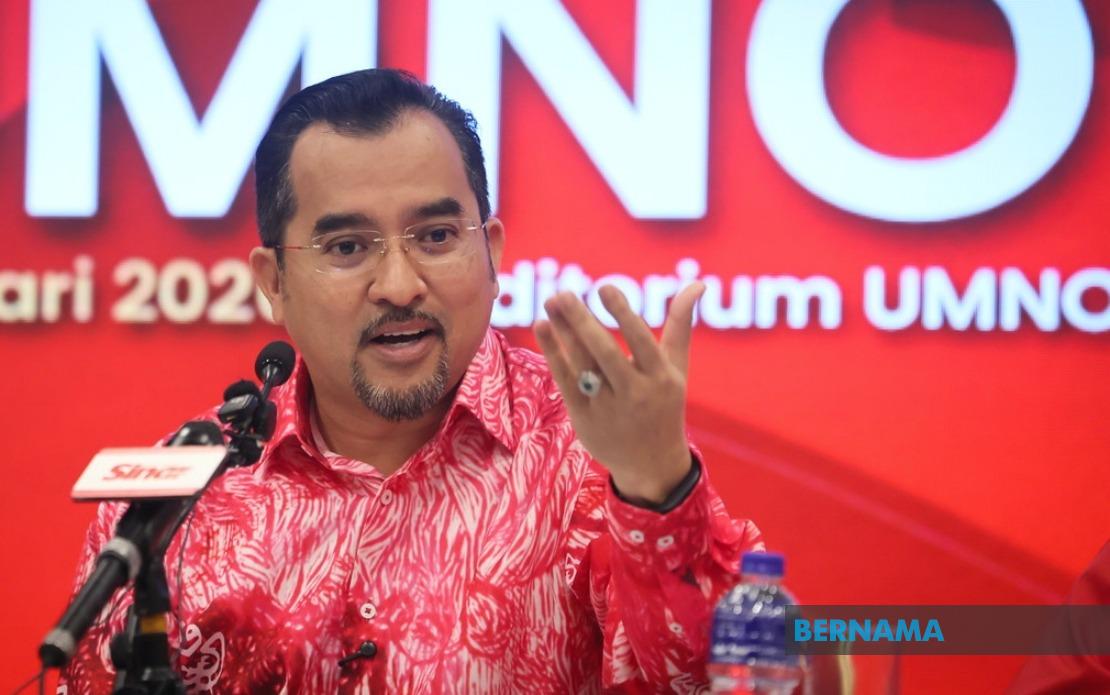
The abrupt resignation of UMNO Supreme Council member Datuk Dr Mohd Puad Zarkashi from the party has been publicly attributed to frustration over candidate selection processes, according to UMNO secretary-general Datuk Dr Asyraf Wajdi Dusuki. Speaking through social media on the eve of Johor's state election campaign, Asyraf Wajdi outlined what he characterised as the true motivation behind Puad's decision to quit the Malay-Muslim dominated coalition, drawing attention to internal tensions over party nominations that extend beyond routine administrative disagreements.
Puad announced his immediate resignation from UMNO via Facebook, framing his exit as a personal choice that would liberate him to express viewpoints without the constraints of party membership. However, Asyraf Wajdi's subsequent public response reframed the narrative, suggesting the departure reflected disappointment rooted in the party's refusal to nominate Puad's son for the Rengit state seat in the upcoming Johor Legislative Assembly election. The contradiction between Puad's stated reasons and the party secretary-general's characterisation underscores deeper fissures within UMNO's internal hierarchy regarding merit, privilege, and succession planning.
According to Asyraf Wajdi's account, Puad had submitted formal correspondence threatening both to attack UMNO publicly and to leave the party entirely if the leadership failed to consider his son for the Rengit nomination. The secretary-general acknowledged the younger Puad's potential as a political prospect, noting his comparative youth and capacity for development as a future leader. Yet he maintained that candidate selection in any competitive electoral environment necessitates balancing multiple considerations beyond individual merit or family connections, implying that party machinery must weigh electability, demographic representation, experience, and broader organisational strategy.
The incident reflects a pattern, according to Asyraf Wajdi's statement, that extends back years within UMNO's leadership. He claimed that Puad had previously issued comparable ultimatums during the tenure of Datuk Seri Najib Tun Razak, threatening withdrawal from the party if he were not renominated as Member of Parliament for Batu Pahat. This historical context suggests a recurring dynamic whereby senior party figures have leveraged their positions to secure preferred outcomes for themselves or their relatives, and have responded to rejection with threats of defection. Such patterns are not uncommon in Malaysian politics, where personalities and patronage networks often carry substantial weight alongside institutional structures.
Ashraf Wajdi used his public statement to articulate a broader philosophical argument about UMNO's identity and organisational principles. He explicitly rejected the characterisation of UMNO as a hereditary political entity designed to advance family dynasties or privilege kinship networks in leadership recruitment. This assertion may reflect an attempt to reframe recent internal conflicts as matters of principle rather than personal grievance, positioning the party leadership as principled stewards of meritocratic governance. Yet the very necessity of such clarification suggests that perceptions of favouritism toward connected families persist within and outside UMNO, potentially undermining institutional legitimacy.
The timing of this internal dispute carries particular significance for Johor's political landscape. The state assembly dissolution on June 1 triggered an election calendar that has compressed campaign preparation, with nomination day set for June 27 and polling scheduled for July 11. Within this narrow window, UMNO's handling of candidate selection becomes a public matter scrutinised by voters, rival parties, and internal observers alike. A high-profile resignation by a Supreme Council member just days before nominations closed would inevitably complicate the party's messaging during a critical electoral moment.
Ashraf Wajdi framed the dispute in language emphasising the supremacy of party interests over personal preferences. He contended that UMNO's historical mission—championing race, religion, and nation—transcends individual ambitions or family disappointments. This rhetorical move positions those criticising candidate decisions as selfish actors prioritising personal gratification over collective struggle. However, such arguments may resonate differently among party members who view leadership accountability and transparent nomination processes as essential to institutional health, particularly given UMNO's recent history of internal factionalisation and leadership turbulence.
The secretary-general's public rebuttal of Puad's allegations regarding palace influence over Johor UMNO constitutes another dimension of the controversy. Puad had suggested that the Johor royal institution had orchestrated the assembly dissolution and wielded determinative control over party decisions in the state. Asyraf Wajdi characterised such claims as slanderous, implying they misrepresented both the constitutional role of the palace and the autonomy of party structures. This exchange touches on sensitive constitutional questions about the extent to which Johor's rulers exercise political influence through formal and informal channels.
For Malaysian observers beyond Johor's immediate political sphere, the episode illustrates recurring tensions within UMNO regarding generational succession and institutional governance. The party has long grappled with balancing deference to senior figures with meritocratic advancement of younger cadres, and with managing expectations among families that view political office as an inheritance or entitlement. Puad's departure, whether characterised as principled protest or thwarted ambition, highlights these unresolved contradictions.
The Rengit seat itself carries limited strategic weight in Johor's 56-member state assembly, yet the dispute surrounding its candidacy has assumed disproportionate public visibility through high-level party communications. This discrepancy between the seat's actual importance and the intensity of the internal disagreement suggests that the nomination contest functioned as a proxy for broader questions about power distribution, respect for senior figures, and the future composition of UMNO's leadership cadres.
Looking forward, Puad's resignation removes a voice from UMNO's Supreme Council at a moment when the party confronts electoral tests in Johor and national opinion polls suggesting declining competitiveness. Whether his departure encourages other dissidents to exit, fragments UMNO further, or proves merely an isolated incident will depend on how comprehensively the party leadership addresses underlying grievances regarding transparency and fairness in nomination processes. The incident also underscores the vulnerability of UMNO's organisational unity to individual disappointments, particularly when senior members feel their status or family interests have been disregarded.