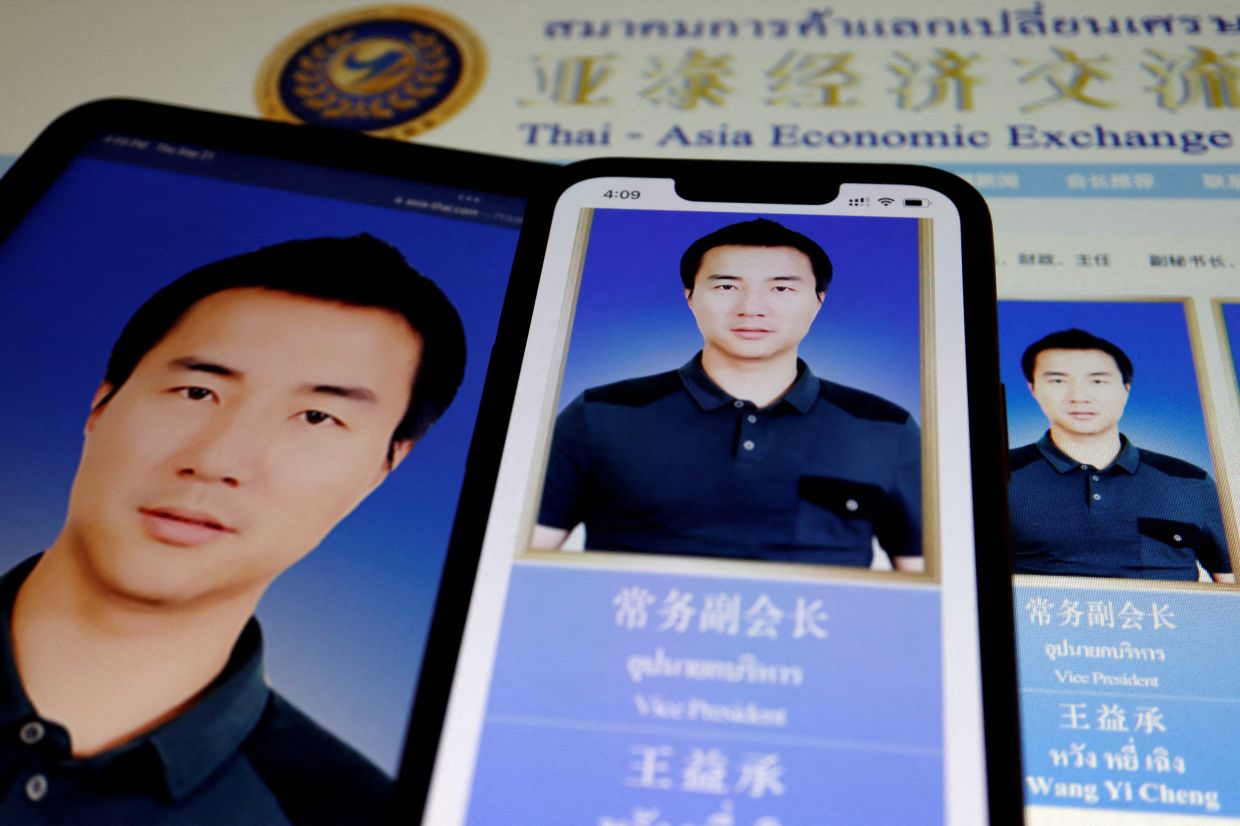
Authorities in Thailand have launched an international manhunt for a prominent Chinese businessman connected to a sprawling network accused of disguising illicit proceeds through illegal cryptocurrency mining operations. Wang Yicheng, who previously held senior positions within Thai-Chinese business organisations, faces theft charges and violations under the Computer Crimes Act after being identified as a key orchestrator in a scheme that diverted millions of dollars from fraudulent investment scams and online gambling rackets into cryptocurrency mining infrastructure across Southeast Asia.
The investigation that brought Wang to the attention of Thai law enforcement originated from a Reuters report published in 2023, which documented how cryptocurrency wallets bearing his name received over US$9.1 million between 2021 and 2022 from accounts linked to "pig-butchering" fraud operations. These sophisticated scams deceive victims into fraudulent cryptocurrency investments through false romantic or professional relationships cultivated online. Blockchain analysis firms including TRM Labs traced the funds flowing into Wang's accounts back to these criminal networks, establishing a financial trail that connected him directly to transnational organised crime activity.
According to Police Major Woranan Srilam from Thailand's Department of Special Investigation, Wang was formally charged in November and is believed to have fled the country ahead of authorities. The DSI is coordinating with international law enforcement agencies to locate and apprehend him, reflecting the cross-border nature of cryptocurrency-based financial crimes. Thailand's efforts align with a broader regional crackdown on Chinese-controlled scam syndicates that have proliferated across Southeast Asia, generating billions of dollars annually according to United Nations assessments.
The scale of the illegal mining operation uncovered during the investigation demonstrates the sophisticated infrastructure these criminal networks have constructed. Thai authorities discovered that the mining operations illicitly consumed approximately US$28 million worth of electricity—marking one of the largest such cases documented in recent years. This massive infrastructure investment reveals how transnational organised crime groups leverage cryptocurrency mining not merely as a secondary profit centre but as an essential component of their money-laundering apparatus, allowing them to convert stolen cash into digital assets that can be moved internationally with minimal detection.
Wang's position within legitimate business circles enabled what experts recognise as a critical vulnerability in enforcement efforts. He served as vice president of the Thai-Asia Economic Exchange Trade Association, an organisation that facilitates commercial relationships between Thai and Chinese enterprises. The association's leadership cultivated relationships with senior government officials and law enforcement figures in both countries, creating what investigators view as deliberate positioning that could provide warning of enforcement action or political protection from scrutiny.
American law enforcement has independently identified Wang as a suspect in digital-asset fraud cases. In June 2023, the United States Department of Justice seized approximately US$500,000 in cryptocurrency from accounts registered in his name, after tracing funds stolen from a Massachusetts victim into his crypto holdings. The case of a 71-year-old California man who lost his entire US$2.7 million life savings exemplifies the devastating human impact of these schemes, where victims are manipulated over months through false relationships before being coerced into transferring funds to fraudulent investment platforms.
Bitmain, one of the world's largest bitcoin mining equipment manufacturers, acknowledged that Wang was a "close partner and customer," according to statements made to Reuters in 2023. The company maintained that it supplied mining equipment through legitimate commercial channels. Bitmain's involvement underscores how major technology firms can become inadvertently entangled in criminal supply chains when industrial-scale customers mask the ultimate destination of their equipment purchases. The inability or unwillingness of manufacturers to conduct rigorous end-user verification creates opportunities for criminal enterprises to access sophisticated mining hardware.
The Thai-Asia Economic Exchange Trade Association distanced itself from Wang following publication of the Reuters investigation, announcing that he had resigned from the board and that background checks at that time had revealed no criminal record. The organisation's subsequent assertion that Thai officials serving as advisers maintained no "business or financial interests" with the group or its members attempts to compartmentalise relationships and minimise institutional liability. However, the existence of these connections during Wang's tenure raises significant questions about vetting procedures and the degree of scrutiny applied to leadership within organisations that facilitate international commerce.
The broader context involves the strategic importance of cryptocurrency in transnational criminal finance across Southeast Asia. Illegal mining operations convert stolen fiat currency into digital assets that circumvent traditional banking controls and currency regulations. By establishing mining farms that consume massive quantities of electricity—often diverted through corruption of utility officials—criminal networks create plausible deniability about the source of their cryptocurrency holdings. The scheme represents an evolution in money-laundering tradecraft that exploits the technological complexity of blockchain systems and the regulatory gaps that persist across national borders.
Thailand's intensified enforcement actions reflect growing recognition among regional governments that cryptocurrency-based crime requires sophisticated investigative capabilities and international coordination. The DSI's statement that it issued arrest warrants for four unnamed Chinese nationals and four Myanmar nationals alongside Wang suggests the investigation has identified an extended network rather than isolated actors. The involvement of Myanmar nationals points to the operational nexus between criminal syndicates operating across the Myanmar-Thailand border, particularly around industrial parks like KK Park that serve as physical infrastructure for scam call centres staffed partly by trafficking victims.
For Malaysian readers and regional observers, the case demonstrates the penetration of cryptocurrency-facilitated crime into legitimate business networks across Southeast Asia. The involvement of trade associations and government connections illustrates how these networks exploit institutional trust and official relationships to operate with relative impunity. The transnational nature of the investigation—involving cooperation between Thai, American, and international blockchain analysis firms—demonstrates that effective enforcement requires sustained intelligence sharing and prosecutorial coordination beyond what many regional governments have yet established.
The geographical and operational scope of Wang's alleged activities suggests that similar networks likely operate throughout Southeast Asia with comparable sophistication. Malaysian authorities and financial regulators should consider whether comparable schemes have established footholds within Malaysian business communities or whether mining operations on Malaysian soil are similarly compromised. The case serves as a cautionary example of how illicit financial flows migrate through legitimate-appearing commercial channels and how the region's integration into global cryptocurrency markets can be exploited by sophisticated criminal enterprises.