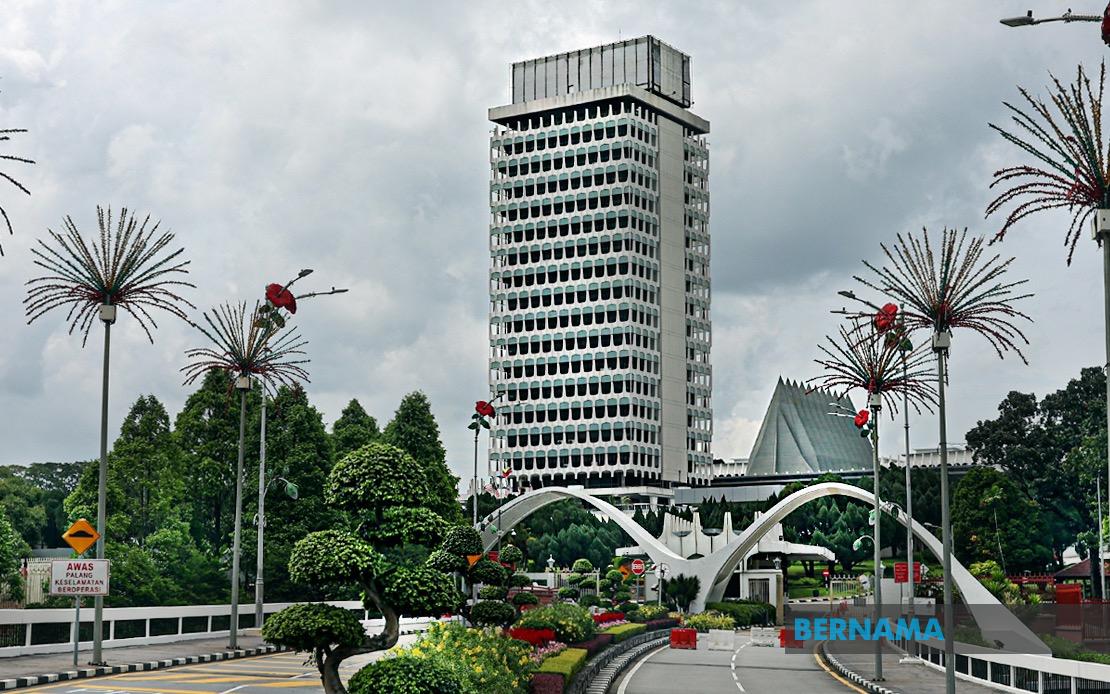
Parliament convenes today to examine three interconnected challenges confronting Malaysia: the rollout of a major renewable energy initiative, the evolving crisis in neighbouring Myanmar, and the economic pressures cascading through the region. The Dewan Rakyat's agenda reflects how energy policy, foreign relations, and economic stability have become inseparable concerns for policymakers navigating an increasingly turbulent global landscape.
The Corporate Renewable Energy Supply Scheme represents a cornerstone of Malaysia's transition away from fossil fuels, yet questions persist about its real-world implementation. Rodziah Ismail will probe the Energy Transition and Water Transformation Ministry on concrete metrics: how many companies have actually signed up, and what progress exists in rolling out the initiative across sectors. This line of inquiry matters because Malaysia's industrial competitiveness depends on affordable, reliable renewable power. The scheme's success or failure will shape whether Malaysian manufacturers can compete with regional rivals already securing cheaper green energy deals.
Equally pressing is the System Access Charge rate review, which carries enormous implications for Malaysia's aspiration to become a Southeast Asian data centre powerhouse. Data centres consume vast quantities of electricity, making energy costs a decisive factor in whether tech companies establish operations here rather than in Thailand, Singapore, or Vietnam. The charging structure will determine whether operating costs remain attractive; any miscalibration risks driving investment elsewhere. Corporate and battery storage capacity enters the same calculus, as does the Corporate Green Power Programme's effectiveness in channelling renewable energy to large industrial consumers.
The economic fallout from the global energy crisis demands equally urgent attention. Mohd Syahir Che Sulaiman's questions to the Economy Minister address a mounting crisis affecting ordinary Malaysians: accelerating job losses and contracting businesses. The National Economic Action Council's mitigation strategies will face parliamentary scrutiny. How substantial are these interventions, and what measurable results have emerged? The gap between announced measures and tangible outcomes often determines public confidence in government economic management, particularly when unemployment climbs and small enterprises face closure.
Fuel subsidy targeting sits at the intersection of populist expectation and fiscal reality. Datuk Seri Hasni Mohammad's questions about standardising diesel support through MyKad and the adequacy of 200-litre entitlements reflect genuine public concerns about rising transport costs. Whether this approach efficiently reaches those most vulnerable to energy price shocks, or whether it creates new loopholes, remains contentious. The Finance Ministry must defend both the logic and implementation of a scheme that touches millions of Malaysian workers and traders.
Malaysia's position on Myanmar has shifted considerably since the 2021 military coup, and William Leong Jee Keen will press the Foreign Minister to clarify current policy direction. The Five-Point Consensus brokered by ASEAN aimed to guide the junta toward dialogue and democratic restoration, yet eighteen months of stalled progress has tested the bloc's credibility. The question becomes whether Malaysia views the consensus as a genuine pathway or diplomatic theatre, and how this assessment shapes bilateral relations and regional stability. For Malaysia, Myanmar's instability threatens refugee flows, cross-border trafficking, and broader Southeast Asian cohesion at a moment when geopolitical competition intensifies.
Data sovereignty has emerged as a critical dimension of Malaysia's digital ambitions, but one often overshadowed by growth rhetoric. Amirudin Shari seeks clarity on whether data protection concerns properly inform the country's race toward artificial intelligence readiness by 2030. State-level initiatives like the Selangor Dark Fiber Network create opportunities but also risks if data flows remain uncontrolled or exposed to external actors. National security and economic interests hinge on ensuring that domestic data infrastructure remains truly domestic, not merely nominally so. This tension between rapid technological advancement and strategic autonomy will shape whether Malaysia emerges as a genuine regional digital power or a subordinate node in foreign-controlled networks.
The Malaysia Agreement 1963 implementation remains a longstanding grievance in Sabah and Sarawak, particularly regarding parliamentary representation. Isnaraissah Munirah Majilis's question about the timeline for raising parliamentary seats to 35 per cent reflects deepening frustration over unfulfilled constitutional commitments. The larger context involves resource distribution, political influence, and the constitutional bargain underpinning the federation. Delays in addressing this matter risk widening perceptions that East Malaysian interests remain subordinate despite rhetorical commitments to equity and federalism.
The Public Accounts Committee's briefing on escalating health insurance premiums and private hospital charges addresses a critical equity challenge. Rising medical costs threaten to widen healthcare access gaps, particularly among lower-income groups reliant on public systems already strained by demand. The interplay between Ministry of Finance decisions, Ministry of Health capacity, and Bank Negara Malaysia's regulatory oversight illustrates how fragmented governance can produce unintended consequences when institutions fail to coordinate effectively. Parliament's examination of these dynamics offers an opportunity to expose structural failures and demand integrated solutions.
The parliamentary schedule itself, running for 16 days through mid-July, signals both the government's commitment to deliberation and the crowded agenda confronting the nation. Debate on the Prisons Amendment Bill 2026 continues existing discussions on custodial reform, though its relative position on the agenda suggests it competes for attention against more immediately pressing concerns. The cumulative effect of these debates should illuminate whether the government possesses coherent strategies addressing interconnected challenges, or whether policymaking remains siloed and reactive.
These parliamentary deliberations acquire heightened significance as Malaysia navigates a critical juncture. Energy transition, economic resilience, regional security, digital infrastructure, constitutional equity, and social welfare form an interdependent nexus. Decisions taken or deferred in coming weeks will reverberate through 2024 and beyond, shaping whether Malaysia emerges stronger and more inclusive, or whether fragmentation and unfinished business accumulate. Parliament's performance as an institution—whether it conducts serious oversight or permits perfunctory questioning—will largely determine the quality of outcomes.