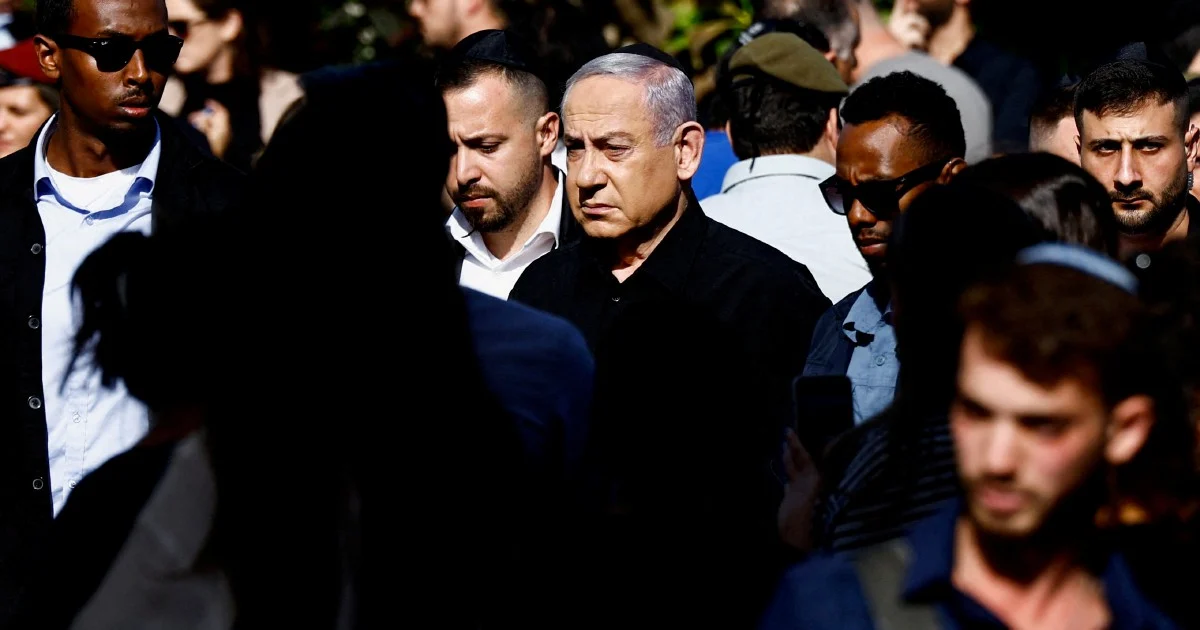
Benjamin Netanyahu's completion of testimony in his corruption trials represents a watershed moment for the Israeli Prime Minister, who has navigated the court process while simultaneously managing the country's most pressing security and diplomatic concerns. The justice ministry confirmed on Wednesday that Netanyahu has finished presenting his defence across the multiple graft charges that have shadowed his tenure, allowing proceedings to advance toward their next phases and potentially closer to resolution.
The timing of Netanyahu's testimony conclusion arrives at a particularly delicate juncture for Israeli policy. The United States and Iran have reached an agreement broadly perceived as threatening to Israeli interests, placing the Prime Minister in a position where he must simultaneously defend himself in court while protecting what he views as the nation's fundamental security. This convergence of domestic legal pressure and international strategic challenges creates an unusually demanding political environment for any sitting leader.
The corruption trials themselves have consumed considerable judicial time and national attention since their inception. Netanyahu faces multiple charges across different cases, all alleging that he exploited his position to benefit from favourable media coverage and luxury gifts. The former telecommunications executive has consistently denied all allegations, characterising the proceedings as politically motivated persecution designed to remove him from office. His legal team has methodically presented evidence throughout the trial process, building what they contend is a comprehensive defence against the charges.
Israel's political establishment has remained divided over the trial proceedings, with supporters viewing them as an overreach by judicial authorities and critics maintaining that no leader should be above the law. The case has become emblematic of broader tensions within Israeli society regarding institutional checks and balances, with implications that extend far beyond Netanyahu himself. The precedent established by these trials will likely influence how future Israeli governments and courts handle allegations against senior officials.
The US-Iran nuclear agreement, simultaneously creating external pressure, complicates Netanyahu's domestic position further. The Prime Minister has long viewed Iran's nuclear programme as an existential threat to Israel and has historically opposed diplomatic agreements that he believes inadequately constrain Tehran's capabilities. The current agreement, which the Israeli government interprets as insufficiently rigorous, provides ammunition for Netanyahu's political opponents who argue that his focus on personal legal battles has distracted from national security priorities.
From a regional perspective, the convergence of Netanyahu's legal challenges with the Iran nuclear situation underscores the precarious balance that Israeli governments must maintain. Southeast Asian observers and policymakers can recognise parallels in how regional leaders navigate international relations while managing domestic legal and political pressures. The case illustrates broader questions about leadership accountability and institutional independence that transcend geographical boundaries.
The next stages of the trial process will determine when verdicts might be reached and what consequences Netanyahu might face. Should convictions occur, they could fundamentally alter Israeli politics and potentially affect governance during a period when the country faces complex security decisions. The legal proceedings will continue to demand Netanyahu's attention even as he manages day-to-day government operations and responds to international developments.
For Malaysia and other regional nations observing Israeli politics, the trial represents an important case study in how democratic institutions handle accusations against sitting leaders. The proceedings demonstrate both the strength of Israel's legal system in pursuing such cases and the political divisions such trials can generate. The outcome will reverberate across the Middle East and potentially influence how other democracies approach similar situations.
The completion of Netanyahu's testimony, while marking formal progress in the trials, does not necessarily bring resolution closer in the near term. Legal experts anticipate that final judgements could remain distant, meaning the Prime Minister will continue operating under the shadow of these cases. This extended period of legal uncertainty characterises modern Israeli politics in ways that reflect broader global trends where senior political figures face simultaneous governance and legal responsibilities.
As Netanyahu prepares for the subsequent phases of trial proceedings, his government must simultaneously develop coherent policy responses to the Iran nuclear agreement and other regional security matters. The ability to compartmentalise these challenges—maintaining focus on national governance despite personal legal jeopardy—will significantly determine his political resilience and legacy. The coming months will reveal whether the trials proceed toward resolution or become even more protracted, affecting not only Netanyahu's future but also Israeli institutional stability and democratic processes.