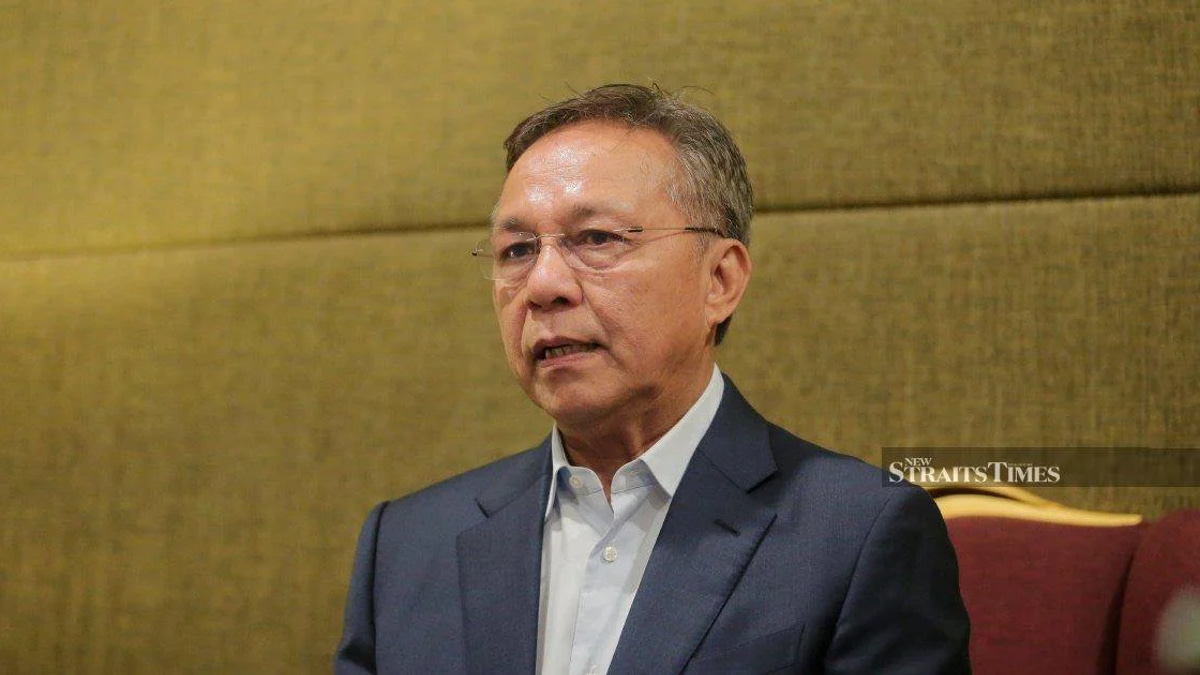
Dr Haim Hilman Abdullah, the assemblyman representing Jitra, will make his first court appearance at the Seremban magistrate's court to face charges stemming from claims he made about higher education admission processes. The legal proceedings mark a significant development in what appears to be an investigation into public statements made by the elected representative concerning university access and entrance requirements.
The nature of the allegations centres on assertions previously articulated by the Jitra legislator relating to how universities admit students and the pathways available for gaining entry to tertiary institutions. While specific details of the charges remain to be clarified during proceedings, the matter evidently involves scrutiny of statements or claims disseminated in a public context, likely drawing the attention of relevant authorities investigating potential breaches of applicable legislation.
Seremban magistrate's court will serve as the venue for these proceedings, placing jurisdiction firmly within Negeri Sembilan. This geographical location for the hearing may suggest connections to the nature of the allegations or the scope of where the claims in question were made or received attention. The formal charging process represents an escalation from investigation to active prosecution, indicating that authorities have gathered sufficient evidence to proceed with formal legal action against the assemblyman.
For Malaysian political observers, this case highlights ongoing scrutiny of public figures' statements regarding sensitive national matters such as university admissions, a topic that resonates deeply across Malaysian society given the competitive nature of tertiary education access and persistent public debate about fairness and transparency in selection processes. Education pathways remain a highly charged subject in Malaysia's political discourse, particularly concerning equity, merit-based selection, and the role of various admission criteria.
The appearance of an elected representative in court over such allegations raises broader questions about the responsibility of politicians when making public assertions about state institutions and systems. In Malaysia's context, where universities fall under government purview and admission policies reflect broader national priorities and constitutional considerations, statements by elected officials can carry particular weight and potential implications for public understanding of these processes.
This development may also reflect intensified attention to accuracy and substantiation of claims made in the public sphere, particularly by those holding elected office. Whether the charges relate to defamation, misleading statements, or violations of specific legislation governing public institutions remains to be established through the court proceedings. The specific legal basis for prosecution will become clearer during the hearing and subsequent court documents.
The timing and progression of this case demonstrates the Malaysian legal system's willingness to pursue charges against political figures regardless of their status, reinforcing principles of equal application of law. However, the case also touches on the tension between freedom of speech and accountability for public statements, a balance that Malaysian courts have grappled with in various political contexts over the years.
For constituents in Jitra and the broader Kedah political landscape, this legal matter involving their assemblyman will likely generate significant local interest and discussion. The outcome of the proceedings could influence public confidence in both the elected representative and the institutions being discussed in the allegations. Political observers will be watching to assess whether this represents an isolated incident or part of a broader pattern of scrutiny affecting Malaysia's political class.
The international dimension should not be overlooked either. As a Southeast Asian democracy, Malaysia's handling of cases involving elected officials and accountability mechanisms often attracts regional attention. How Malaysian courts manage this particular case may contribute to broader conversations about judicial independence and the treatment of political figures in the region's institutional frameworks.
Moving forward, the court proceedings will provide clarity on the specific allegations, the evidence presented by prosecutors, and the legal standards being applied. Dr Haim Hilman Abdullah will have the opportunity to respond to charges and present his defence. The magistrate's ultimate decision will likely set precedents or reaffirm existing legal principles regarding public statements by elected representatives about government systems and institutions.
Beyond the immediate legal outcome, this case underscores the importance of precision and accuracy when public figures discuss matters affecting national institutions. The controversy surrounding university admission claims points to a broader need for transparent dialogue about tertiary education access in Malaysia, where factual accuracy and substantiated assertions should form the foundation of any policy discussion or public critique. The court's handling of this matter will be observed closely by political commentators, legal professionals, and citizens interested in standards of accountability within Malaysia's political system.