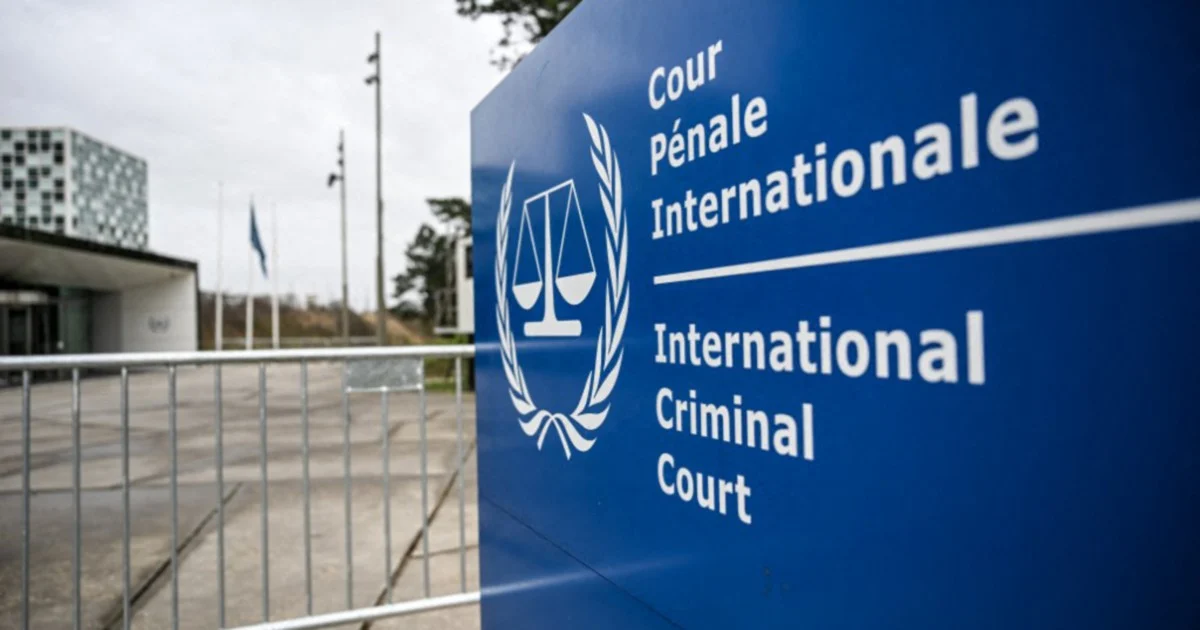
Three judges from the International Criminal Court have initiated legal proceedings in United States federal court against President Donald Trump and his administration's senior officials, contesting sanctions the American government previously imposed on them. The lawsuit, filed in New York, represents an escalation in the dispute between the independent tribunal and Washington, which has grown increasingly hostile toward the ICC in recent years.
The judges have characterised the sanctions regime as unconstitutional and beyond the legal authority of the Trump administration. Their legal challenge hinges on arguments that the government's actions breach fundamental due process rights and exceed the executive branch's powers to impose unilateral punitive measures against foreign officials without congressional authorisation. The suit marks a rare instance of ICC personnel directly confronting American authority through the US judicial system itself.
This legal action reflects deepening tensions between Washington and the Hague-based court. The United States has long maintained a complicated relationship with the ICC, refusing to ratify the Rome Statute that established the institution and claiming concerns about American sovereignty. The Trump administration's earlier hostile stance toward the court intensified these frictions, particularly following the ICC's investigation into alleged American war crimes and mistreatment of detainees.
The judges' decision to pursue litigation demonstrates their determination to challenge what they view as political retaliation. Rather than accepting the sanctions passively, they have opted to utilise American legal mechanisms to contest their legitimacy. This strategy reflects confidence in the US court system's independence and the possibility that American judges might rule against the executive branch's actions.
For Malaysia and other Southeast Asian nations with complex relationships to international legal institutions, this case carries significant implications. Many regional countries participate in ICC frameworks while simultaneously maintaining reserved positions regarding international court jurisdiction. The lawsuit illustrates how tension between national sovereignty claims and international legal obligations can manifest through competing legal systems, a dynamic particularly relevant to nations balancing great power interests.
The broader context involves the Trump administration's historical scepticism of multilateral institutions and international courts generally. Previous American officials have argued that subjecting American personnel to foreign judicial oversight infringes on national independence. This philosophical opposition to international legal structures has driven the decision to sanction ICC officials deemed to have pursued investigations into American conduct.
The judges' legal team has likely structured arguments around American administrative law principles, constitutional protections against arbitrary government action, and potentially international law doctrines that constrain unilateral sanctions. They may argue that the absence of formal sanctions legislation authorising such measures renders them arbitrary and subject to judicial review.
The case could ultimately determine whether American courts recognise limits on executive authority to sanction foreign officials and whether constitutional protections extend to international legal actors. A favourable ruling for the judges would vindicate the principle that even executive power has constitutional boundaries, while a decision supporting the administration would reinforce presidential discretion in foreign affairs.
For the ICC itself, this lawsuit represents an unusual avenue for contesting American pressure. Rather than defending its institutional prerogatives through diplomatic channels or declarations of independence, the court's officials are invoking American constitutional law as a shield. This strategy underscores the complex position international institutions occupy when confronted with powerful member states or non-member states employing coercive measures.
The timing of the lawsuit comes amid broader reassessment of American commitments to international legal institutions. With changing administrations potentially altering policy directions, the outcome of this case may influence whether American courts can serve as alternative forums for challenging executive actions toward international bodies. Southeast Asian policymakers watching this dispute must consider how their own commitments to international legal frameworks might be similarly affected by great power geopolitical shifts.
Beyond the immediate legal arguments, the case raises questions about the appropriate relationship between domestic courts and international institutions. Should American judges review the merits of sanctions against foreign officials, or does such review constitute improper interference with executive foreign policy decisions? The answer may reshape how international actors interact with American legal systems going forward.
Regional observers should note that this lawsuit potentially sets precedent for other international officials sanctioned by Washington. If the judges succeed, they may establish that American constitutional protections can apply to foreign actors challenging executive authority, opening possibilities for other international court personnel or officials facing similar measures.