A 14-year-old Grade 10 student from Tolosa National High School in Leyte has been taken into police custody for allegedly posting violent threats against her school on social media, according to Interior Secretary Jonvic Remulla. The announcement came after Philippine National Police Criminal Investigation and Detection Group operatives apprehended the minor following information provided by Senator Bam Aquino regarding the incriminating social media posts made on Wednesday night.
The threatening messages discovered by investigators conveyed explicit warnings to fellow students at the school, with the poster declaring "from Tolosa, prepare yourselves" and threatening to "disrupt the school" with acts of violence. The posts escalated further with more sinister language, stating "There is no time nor day. Be prepared for whoever gets shot or stabbed. We don't care." The inflammatory content was designed to spread panic, instructing recipients to share the message with their peers across multiple social media platforms.
Investigators conducting digital forensics determined that the minor had established multiple Facebook accounts to amplify the reach of her threatening messages. Her identity was confirmed through detailed social media analysis and corroborating information provided by concerned individuals who reported the posts to authorities. However, when authorities eventually managed to locate the student, the accounts and associated posts had already been deleted, though not before causing considerable alarm among the school community.
Under Philippine legal protections for minors, the student could not be formally charged with any offense. The Juvenile Justice and Welfare Act, formally known as Republic Act No. 9344, prevents the prosecution of children below a certain age threshold. Consequently, the Philippine National Police transferred custody of the minor to the Department of Social Welfare and Development, which subsequently released her to her family pending further assessment and intervention.
The minor's cooperation with authorities proved limited, as she remained hesitant and uncooperative throughout questioning, citing concerns about potential repercussions. Her parents' response to initial inquiries from Tolosa Municipal Police Station was similarly unaccommodating, with the family refusing to provide substantive information about the circumstances surrounding the posts. This lack of parental engagement complicated investigators' efforts to fully understand the motivations and circumstances behind the threats.
During their investigation, authorities identified potential psychological and social factors that may have driven the student's actions. Secretary Remulla indicated that the minor appeared to be experiencing "personal and family issues" that could have motivated her to post the violent threats. Through subsequent engagement with the family, investigators assessed that the immediate threat had been neutralized and that no genuine, organized plan existed to carry out any attack. Critically, neither the student nor her family members had access to firearms or other weapons, significantly reducing the likelihood that the threats represented an imminent danger to the school community.
Police investigators found no evidence suggesting the minor was part of a coordinated group or that others had been involved in creating or disseminating the threatening content. The isolated nature of the incident provided some reassurance to school administrators and parents, though the matter still raised serious questions about online safety and the psychological pressures affecting Philippine schoolchildren. Remulla suggested that the student's actions may have been influenced by widespread media coverage of the recent San Jose National High School shooting that had occurred in Tacloban City just days earlier.
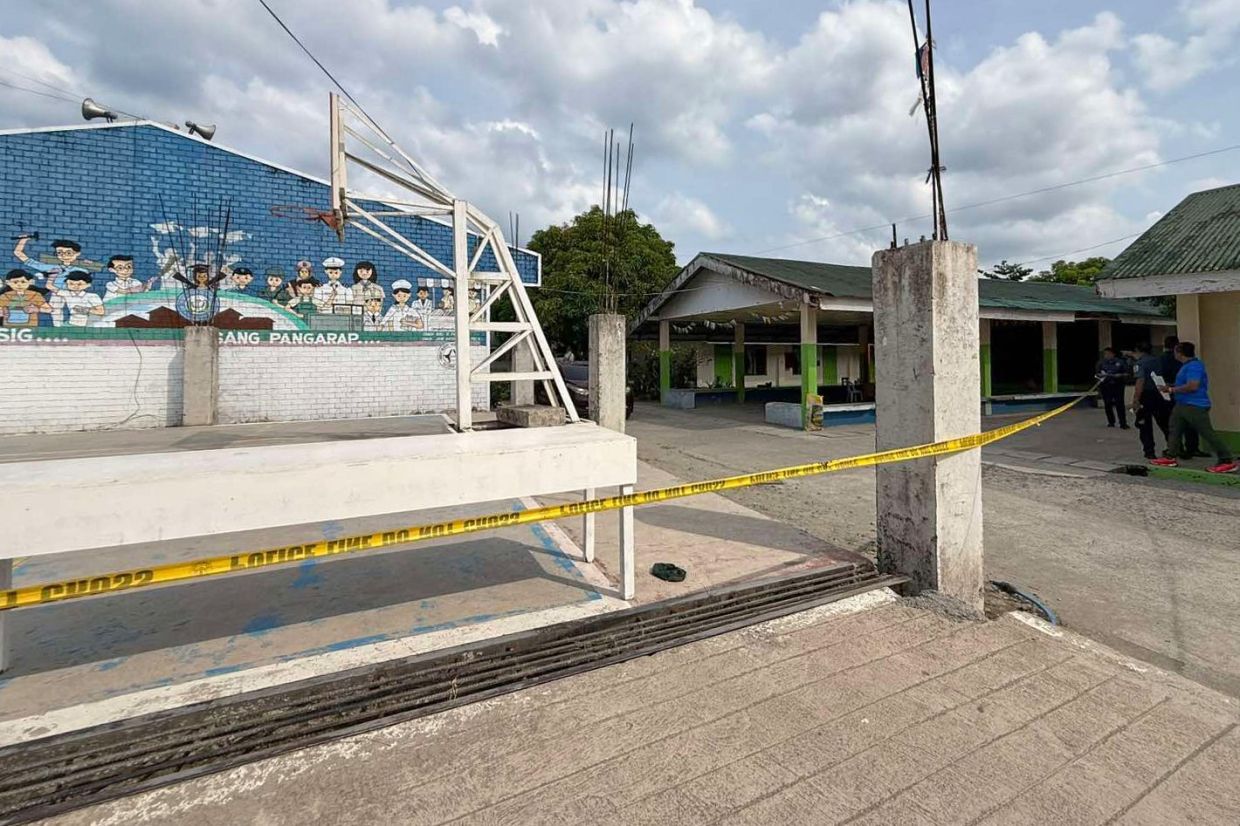
The San Jose National High School incident, which took place on Monday, proved to be the more serious and tragic event. Two teenage students, aged 14 and 15, opened fire on their classmates, resulting in three deaths and leaving at least 20 other students wounded. This massacre had sent shockwaves throughout the Philippines and the broader region, raising urgent concerns about school safety and youth violence. The proximity of the Tolosa threat to this major incident suggested a possible copycat motivation or at least heightened emotional vulnerability among teenage students exposed to news of the shooting.
A particularly notable detail emerged regarding the digital interests of the individuals involved in both incidents: authorities determined that both the perpetrators of the Tacloban shooting and the Tolosa student who posted the threats were "avid fans" of GoreBox, a graphically violent video game featuring explicit gore and brutality. This connection prompted regulatory action from the Cybercrime Investigation and Coordinating Centre, which moved to temporarily ban the game following the Monday shooting. The move reflected growing concern among Philippine authorities that ultra-violent entertainment media may be contributing to a dangerous pattern of ideation among young people.
The incident underscores the complex interplay between digital communication, online anonymity, and school safety in contemporary Philippines. That a minor could create multiple accounts and broadcast violent threats across social networks before detection demonstrates the lag between posting and response, despite increased monitoring efforts. The family's reluctance to cooperate with investigators also highlights the challenges authorities face in engaging with parents to address warning signs of psychological distress or behavioral problems among teenagers. For Malaysian readers, this case offers relevant lessons about the need for comprehensive digital literacy education and stronger support systems for youth experiencing psychological difficulties.
Moving forward, education officials across the Philippines and Southeast Asia face mounting pressure to develop more robust threat assessment protocols, improve communication channels between schools and law enforcement, and ensure that at-risk teenagers have access to mental health support. The convergence of online radicalization, exposure to violent content, and unresolved personal issues affecting young people represents a transnational concern that extends well beyond the Philippines. Schools throughout the region will likely intensify their security measures and implement stricter monitoring of student social media activity, even as they grapple with balancing safety imperatives against privacy and civil liberties considerations.