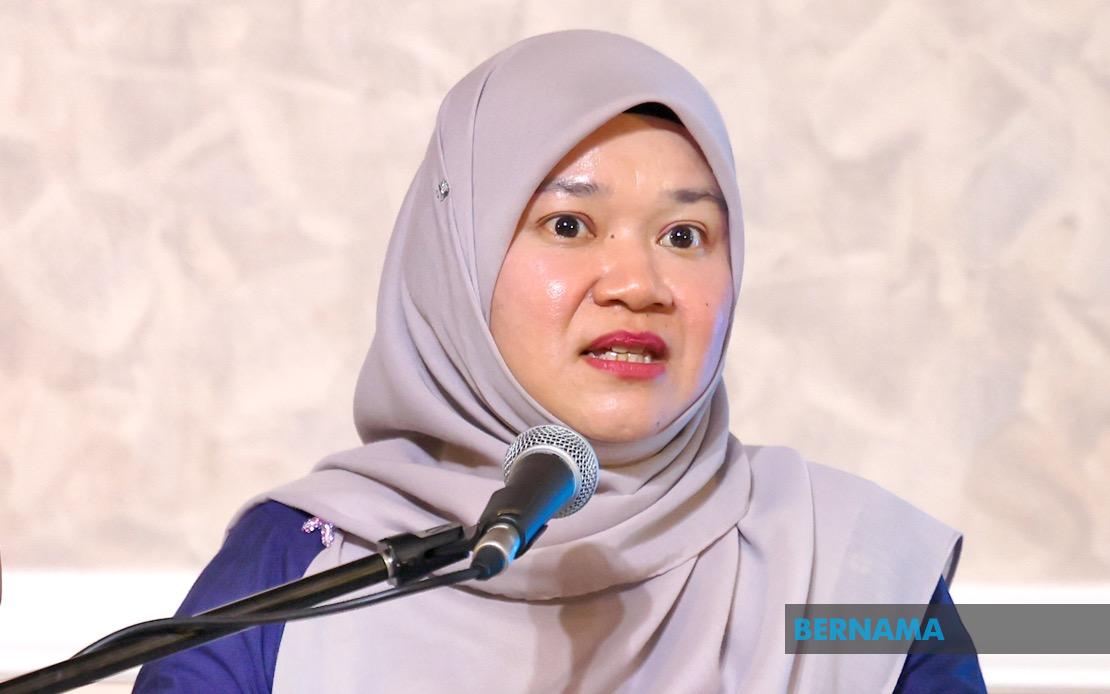
Education Minister Fadhlina Sidek, who leads PKR Wanita, has escalated her response to a defamatory video campaign by lodging a formal police report in Kuala Lumpur. The artificial intelligence-generated footage, which has circulated online, contains false allegations that the senior minister characterised as deliberately malicious and intended to undermine her personal reputation and professional standing.
In her public statement, Sidek expressed clear frustration at the nature of the attack, framing it within the broader context of threats faced by women in Malaysian politics. The decision to involve law enforcement represents a significant step, signalling her determination to pursue legal remedies against those responsible for creating and distributing the misleading content. She has called upon police to conduct a thorough investigation and apply the full extent of applicable legislation.
The incident highlights an emerging challenge in Malaysia's political landscape: the weaponisation of deepfake technology and AI-generated content to target public figures, particularly women in positions of authority. Such tactics represent a modern evolution of character assassination, one that exploits technological capabilities to create convincing false material that can spread rapidly across social media platforms before fact-checking occurs.
Sidek's response extends beyond her personal circumstances. She has urged all stakeholders in Malaysian society to adopt a more resolute stance against slander, defamation campaigns, and sexual harassment directed specifically at female politicians. This broader appeal reflects growing recognition among women in public life that such attacks often follow gendered patterns, designed not merely to criticise policy positions but to question the legitimacy and character of women leaders themselves.
The distinction between traditional defamation and AI-generated false content presents novel legal challenges for Malaysian authorities. While existing laws address libel and slander, the involvement of sophisticated technology creates complications regarding attribution and intent. Courts and law enforcement must grapple with questions about whether creators, distributors, or platform operators bear primary responsibility, and how existing legislation applies to content that may not involve direct false statements but rather manipulated imagery.
For Malaysia, this incident comes as several Southeast Asian nations grapple with misinformation and deepfakes during politically sensitive periods. The region has witnessed increasing attempts to manipulate public opinion through synthetic media, affecting everything from electoral processes to policy debates. The case demonstrates how vulnerable even senior government figures can be to such attacks, despite their access to resources and media platforms.
The broader implications for women in Malaysian politics merit serious consideration. Female ministers and parliamentarians frequently report experiencing coordinated harassment campaigns, often with sexual undertones, designed to discourage their participation and influence. When such campaigns incorporate advanced technology like AI-generated videos, the psychological impact and reputational damage can be substantial, potentially deterring other women from pursuing leadership positions.
Sidek's decision to involve police also signals the need for institutional capacity-building within Malaysian law enforcement and judiciary. Officers must develop expertise in identifying AI-generated content, tracing its origins, and understanding digital platforms' role in amplification. Training programmes, inter-agency cooperation, and clear guidelines will prove essential as such incidents likely proliferate.
The incident underscores tensions between free expression and protection from defamation in the digital age. While Malaysia maintains laws addressing false statements and character assassination, balancing these protections against legitimate political criticism remains contentious. The use of AI in creating false allegations pushes these discussions into new territory, where the line between satire, parody, and malicious misinformation becomes increasingly blurred.
Moving forward, several stakeholders have roles to play. Technology platforms must enhance content moderation capabilities and transparency regarding AI-generated material. Law enforcement requires updated training and resources. Legislators may need to review existing frameworks to adequately address synthetic media. Civil society organisations should continue advocating for stronger protections against harassment while maintaining commitment to genuine free expression.
For Malaysian women in politics, this episode reinforces both their resilience and the ongoing challenges they navigate. Sidek's willingness to pursue formal legal action, rather than dismissing the matter or responding only through media channels, sets a precedent that such attacks carry consequences. This stance may embolden other female politicians to similarly defend themselves and establish norms that defamatory campaigns, regardless of their technological sophistication, warrant serious response.
The investigation outcomes will likely attract significant attention from women's rights advocates, technology experts, and legal scholars across Southeast Asia. How Malaysian authorities respond will influence not only the trajectory of this particular case but also regional approaches to protecting public figures and citizens from weaponised AI-generated content.