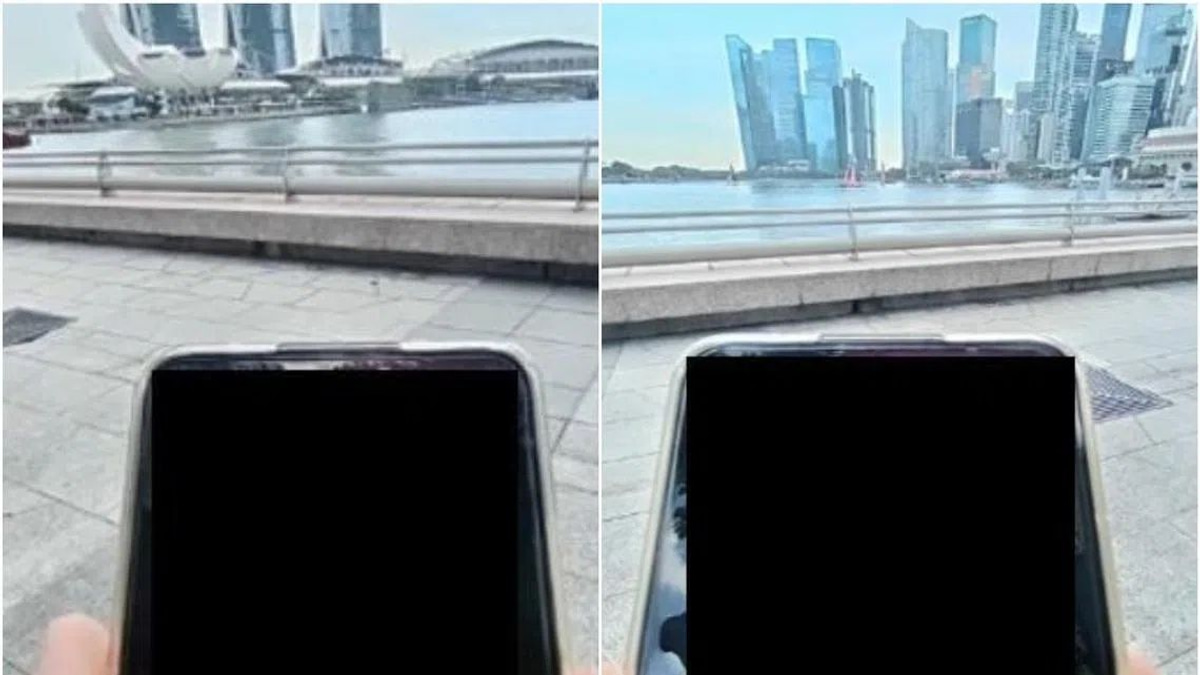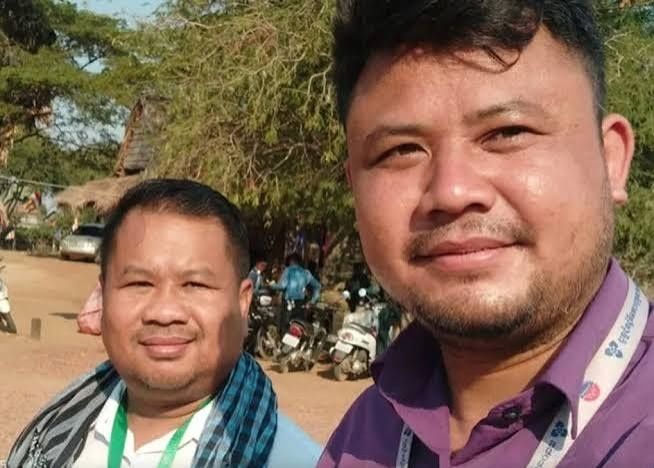
Cambodia's Supreme Court faced a consequential decision on Thursday as it prepared to hear arguments in the treason appeal of two journalists whose convictions have become emblematic of mounting restrictions on press freedom in the Southeast Asian nation. The case of Phorn Sopheap from Battambang Post TV Online and Pheap Pheara of TSP 68 TV Online centres on photographs they took and shared on Facebook while reporting on border tensions that flared dramatically during 2024. The journalists maintain they held proper authorisation to be in the militarily sensitive area where they captured their images, and they are seeking to overturn 14-year prison sentences handed down by Siem Reap Provincial Court in December.
The backdrop to this legal dispute involves one of the most contentious military episodes in recent Cambodian-Thai relations. Last year, border skirmishes erupted in both July and December, displacing hundreds of thousands of civilians across both nations and claiming approximately one hundred military and civilian lives. The photographs in question became lightning rods in this dispute because they documented land mines, imagery that Thai media organisations rapidly circulated to support Bangkok's assertion that Cambodia had deployed newly laid mines that injured Thai patrol units. Cambodia's government categorically rejected these accusations, insisting it honoured international treaties prohibiting land mine use and suggesting that any mines found were remnants from the country's devastating civil conflict that concluded in the late nineteen-nineties.
The journalists were detained in July after returning from their reporting assignments to the border zone, accused of photographing a restricted military region without authorisation and subsequently disseminating sensitive defence information. The formal charges levelled against them were grave: supplying a foreign state with information damaging to national defence, a conviction that carries severe penalties. Both men have consistently denied wrongdoing, maintaining that their presence in the area was sanctioned and that they were simply conducting journalism. Their case reached the appellate level when a lower court upheld the original conviction in March, prompting them to petition Cambodia's highest court.
This ruling arrives at a moment of heightened scrutiny regarding Cambodia's judicial system and its relationship with political authority. International press freedom organisations, including the New York-based Committee to Protect Journalists, have characterised the government's approach as weaponising deliberately vague national security legislation to criminalise routine reporting activities. Human Rights Watch specifically noted that the court's handling of the case, along with concurrent convictions of opposition figures, demonstrated a troubling pattern of judicial deference to Cambodia's ruling establishment. Government officials, meanwhile, have countered such criticisms by asserting the Supreme Court operates with complete independence from political interference, a claim that rings hollow to many observers given Cambodia's governance record.
The timing of this decision carries particular resonance because it follows almost identically by a matter of days the Supreme Court's affirmation of incitement charges against Rong Chhun, a fifty-six-year-old opposition politician convicted last year for allegedly stirring social unrest. Rong Chhun's supposed transgression involved meeting with villagers displaced by government infrastructure development—activity that rights organisations characterised as legitimate political engagement rather than criminal conduct. These parallel cases have intensified international concern that Cambodia's court system functions as an instrument for suppressing dissent rather than as an impartial arbiter of law.
Cambodia's governance trajectory since August 2023, when American-educated Hun Manet succeeded his father Hun Sen as Prime Minister, provides important context for understanding these prosecutions. Hun Sen's nearly four decades in power earned Cambodia widespread condemnation for systematic human rights violations encompassing severe restrictions on freedom of expression and association. Many international observers held hopes that his departure might signal a turning point toward greater political openness, particularly given Hun Manet's Western education and comparatively younger generation. Yet in the months following the leadership transition, such optimism has curdled into disappointment, as the government has shown few concrete signs of relaxing the repressive structures inherited from the previous administration.
The global assessment of Cambodia's press environment underscores the gravity of these developments. The Paris-based Reporters Without Borders organisation ranked Cambodia at position 161 out of 180 countries in its 2025 World Press Freedom Index, placing the nation among states characterised as having "very serious" threats to press liberty. This standing reflects the cumulative effect of legal harassment, self-censorship pressures, and the government's demonstrated willingness to employ criminal charges against journalists performing standard reporting functions. For regional observers and international press freedom advocates, Cambodia's judicial system has become a cautionary example of how vaguely worded security legislation can become tools for state control.
The Supreme Court's expected ruling on Thursday will likely reverberate beyond Cambodia's borders, particularly across Southeast Asia where governments increasingly deploy national security arguments to restrict journalistic scrutiny. For Malaysian readers and media professionals, Cambodia's situation offers a sobering illustration of trajectory risks when judicial independence erodes and when security concerns are invoked to justify suppression of legitimate inquiry. The case demonstrates how a single politically sensitive photograph, combined with border tensions, can become the pretext for imposing severe punishment on journalists exercising their professional duties.
More than a dozen journalism associations spanning national and international operations issued a joint statement calling on Cambodia's government to abandon prosecution of Pheap Pheara and Phorn Sopheap following their conviction, a plea that has gone unheeded through multiple appellate stages. Their persistent appeals reflect the broader conviction among global press freedom organisations that the charges represent a fundamental violation of journalistic rights. The Supreme Court's imminent decision will indicate whether Cambodia's highest judicial body possesses the independence to overturn a verdict that contradicts international norms protecting press freedom, or whether it will affirm the government's position and deepen Cambodia's isolation on human rights grounds.
For the two journalists themselves, Thursday's hearing represents a crucial juncture in their legal odyssey. A Supreme Court affirmation of their fourteen-year sentences would consign them to prison during their prime working years and effectively exile them from their profession. An overturned verdict would represent vindication of their assertion that they acted with proper authorisation and in accordance with journalistic standards. Beyond the individual stakes, the ruling will signal whether Cambodia's courts retain even minimal capacity for checking executive power or whether they have become entirely subordinate to the governing establishment's agenda.